From Awareness to Audit Trail: A UK CBAM Readiness Framework for Importers
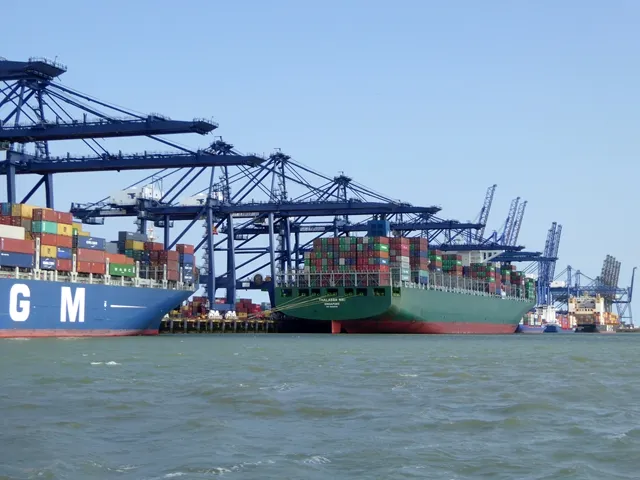
Photo: Oliver Dixon , CC BY-SA 2.0, via Wikimedia Commons
The UK Carbon Border Adjustment Mechanism (CBAM) is due to commence in 2027. For importers of aluminium, cement, fertiliser, hydrogen and steel, that date should already be shaping commercial decisions. CBAM is not simply a customs line item or a future tax to be absorbed into landed cost. It is a data, contracting and assurance programme that tests whether an importer can evidence the carbon content of goods from overseas suppliers and defend that evidence to HMRC.
That distinction matters. Many businesses are aware of CBAM. Fewer have mapped where embedded emissions data will come from, who will own it, how it will be checked and what happens when a supplier cannot provide it. The practical risk is not only the CBAM charge itself. It is the operational friction created by incomplete supplier records, inconsistent emissions methodologies, weak contract terms and reporting controls that were designed for VAT and duty rather than carbon.
Why CBAM is an operational issue before it is a customs issue
CBAM shifts the compliance boundary upstream. A UK importer may be responsible for reporting and paying the charge, but the underlying emissions data will usually sit with an overseas producer. That creates a dependency that traditional import processes do not handle well. Customs brokers can classify goods and clear entries. They cannot automatically validate a supplier’s embedded emissions calculation or confirm that the data is consistent with the UK methodology.
For professional readers, the first step is to treat CBAM as a controlled business process. It needs a named owner, documented procedures, data retention rules and a reconciliation routine. Without that structure, importers risk discovering data gaps only when a reporting deadline or HMRC query arrives.
Start with a data map, not a spreadsheet
A common mistake is to begin with a template and ask suppliers to fill it in. A more robust approach is to map the goods flow first. Which products are in scope? Which suppliers and production sites are involved? Which imports are routed through group companies, traders or distributors? Where are the contractual boundaries for data provision?
Only after that mapping should the importer design its data request. The map should identify direct and indirect emissions data needs, production route, country of origin, supplier identifiers and any default values that may apply where actual data is unavailable. It should also flag where the importer lacks leverage over the producer, for example when buying through an intermediary or a spot market.
Supplier engagement needs contractual weight
Supplier engagement is often described as a communication exercise. In practice, it is a procurement and contract management issue. Suppliers need to understand what data is required, in what format, at what frequency and with what assurance. Importers need the right to request that data, the right to audit or challenge it, and a clear allocation of responsibility if it proves inaccurate.
Where suppliers cannot provide verified actual data, the importer should know in advance how default values will affect cost and reporting. That requires scenario planning rather than last-minute improvisation. It also requires a supplier segmentation model: strategic suppliers may justify joint data improvement work, while lower-volume suppliers may be managed through standard data requests and fallback assumptions.
Reporting controls and the audit trail
CBAM reporting will create a new evidence chain. Importers should design controls that connect customs entries, supplier declarations, emissions calculations, internal approvals and payment records. The control environment should answer basic questions: who entered the data, what source supports it, who reviewed it, what changed and why?
This is where many businesses carry hidden risk. A spreadsheet may work for a pilot, but it rarely provides the access controls, version history and reconciliation needed for regulatory assurance. Importers should consider whether their ERP, customs software or sustainability reporting system can hold CBAM data, or whether a controlled interim solution is required. The key is not expensive technology. It is traceability.
Cost modelling beyond the charge
CBAM cost modelling should not stop at the expected charge per tonne. Importers need to model the cost of data collection, supplier engagement, verification, system changes, training and potential cash-flow timing. They should also test sensitivity to default values, changes in supplier mix and currency movements.
Commercial teams may need to revisit pricing, sourcing and customer contracts. If a product becomes more expensive to import because of CBAM, the importer needs to know whether that cost can be passed through, absorbed or designed out. That is a board-level commercial question, not a compliance afterthought.
Governance and accountability
CBAM cuts across procurement, finance, customs, sustainability, legal and operations. Without clear governance, it can fall between functions. A practical model is to appoint an accountable executive, a delivery lead and a cross-functional working group. The board should receive a short readiness dashboard covering scope, supplier data gaps, cost exposure, control weaknesses and key decisions.
A practical readiness checklist
- Confirm the in-scope goods, suppliers and production sites, including imports made through intermediaries.
- Map embedded emissions data requirements to each supplier and identify gaps against actual and default values.
- Strengthen contracts and purchase terms to require timely, accurate and auditable emissions data.
- Define reporting controls, data retention rules and review responsibilities across customs, finance and sustainability.
- Build a cost model that includes the CBAM charge, data costs, verification and cash-flow effects.
- Test system options for capturing, reconciling and reporting CBAM data.
- Train customs, procurement and finance teams on CBAM obligations and escalation routes.
- Establish board-level oversight and a regular readiness review ahead of 2027.
Hidden risks to watch
The most significant risks are often indirect. Goods may be misclassified or split across shipments. Suppliers may provide estimates that look precise but lack supporting evidence. Group purchasing arrangements may obscure the actual producer. Contract terms may be silent on data ownership. And reporting controls may rely on one person who understands the process.
Importers should also watch for false comfort. A supplier questionnaire is not an assurance framework. A completed spreadsheet is not an audit trail. A favourable default value is not a substitute for actual data. CBAM readiness depends on repeatable processes that survive staff changes, supplier turnover and regulatory scrutiny.
The time to act is now
With commencement due in 2027, the remaining window is best used for testing rather than planning. Importers should run a dry-run data collection, challenge weak supplier responses and model the cost of data gaps before they become compliance failures. CBAM will reward businesses that can demonstrate control. It will expose those that cannot.