The Carbon Ledger at the Weighbridge: UK ETS Readiness for Waste-to-Energy Operators
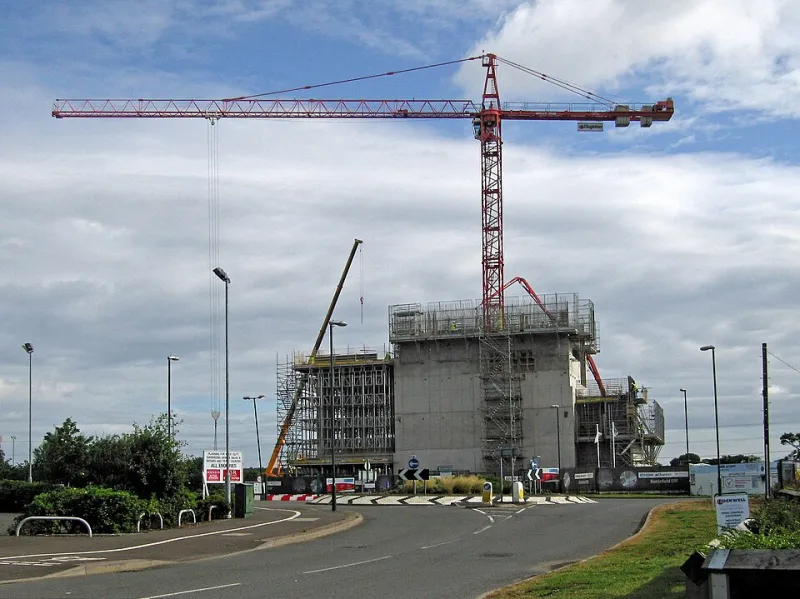
Photo: Dave Croker , CC BY-SA 2.0, via Wikimedia Commons
For waste incineration and energy-from-waste operators, the UK Emissions Trading Scheme is no longer a distant policy signal. As the scheme extends toward the sector, the practical challenge is to show how carbon is counted at the gate: what waste arrives, what is burned, what is measured, and who signs off the evidence. The cost of getting this wrong will not appear only in a future allowance bill. It will surface in permit variations, regulator questions, verification findings and board assurances that cannot be supported by spreadsheets alone.
Start with the permit, not the price
Operators often begin carbon-readiness work with a forecast of allowance costs. That is understandable, but it places the emphasis in the wrong order. Under the UK ETS, the enforceable instrument is the permit and its monitoring arrangements. A permit variation is not a clerical exercise; it is the point at which the operator sets out how the installation will be defined, what monitoring methodology will apply, and how data will be collected, checked and reported.
In 2026, site teams should map every material input, output and measurement point that could affect reported emissions. The map should link the weighbridge, waste reception, combustion controls, flue-gas monitoring, laboratory analysis and reporting spreadsheets. It should also identify where responsibility sits for each data field. If that map cannot be produced quickly, the site is not ready for a more carbon-exposed operating environment.
Waste composition as regulated evidence
The weighbridge is too often treated as a traffic-management tool. In a UK ETS context, it becomes part of the carbon ledger. Waste composition evidence will need to be defensible, consistent and auditable. That means more than a supplier declaration or a periodic visual check. Operators should consider sampling frequency, waste codes, source segregation, contamination, moisture content and the treatment of biogenic material. The quality of the evidence chain matters as much as the number at the end of it.
A practical test is to ask whether a regulator or verifier could follow a single load from arrival to reported emissions without relying on verbal explanation. If the answer is no, the gap should be closed before it becomes a formal query. Waste composition is variable by nature, but variability is not the same as uncontrollability. A documented sampling protocol, clear assumptions and change-control records can turn a difficult evidence area into a manageable one.
Metering and QA: the quiet failure points
Carbon reporting tends to attract attention at the top of the calculation. Operational risk often sits lower down, in meters, analysers, calibration certificates and data transfers. A flow meter that drifts, a weighbridge that is calibrated but not independently checked, or a laboratory result that is transcribed manually can all undermine an otherwise sound methodology.
Sites should review metering against the monitoring plan, not simply against maintenance schedules. Calibration records should be current and traceable. Data acquisition systems should have appropriate access controls and backup arrangements. Where data are adjusted or estimated, the reason should be recorded at the time, not reconstructed months later. These are unglamorous controls, but they are the ones that determine whether a reported figure survives scrutiny.
A board-level carbon liability
Carbon costs under the UK ETS should be treated as an operational risk with board-level ownership. That does not mean adding a line to the sustainability report. It means giving a named executive accountability for permit compliance, evidence quality and regulatory engagement. The board should see the same indicators that would matter in any other compliance area: overdue actions, sampling gaps, calibration exceptions, unresolved regulator queries and the status of permit variations.
This is particularly important for waste-to-energy sites because carbon risk intersects with other regulated matters, including waste duty of care, environmental permitting and local air quality controls. A carbon programme that sits in isolation from those workstreams is likely to duplicate effort and miss shared evidence. A joined-up approach can use existing compliance routines while giving carbon the specific attention it now requires.
A 2026 readiness agenda
A sensible agenda for the coming year has six parts. First, confirm the permit position and identify any variation needed. Second, build a data map from gate to reported emissions. Third, document and test the waste-composition evidence base. Fourth, review metering, calibration and data controls against the monitoring plan. Fifth, run an internal verification-style review before external scrutiny arrives. Sixth, establish board-level reporting with clear escalation triggers.
None of these steps requires perfect foresight about future allowance prices. They require the discipline to make the evidence chain visible and owned. For UK waste incineration and energy-from-waste operators, the carbon ledger is already being assembled at the weighbridge. The task in 2026 is to ensure it can withstand inspection, verification and board challenge.