Environmental Liabilities That Outlast Completion: A UK Buyer's Diligence Agenda
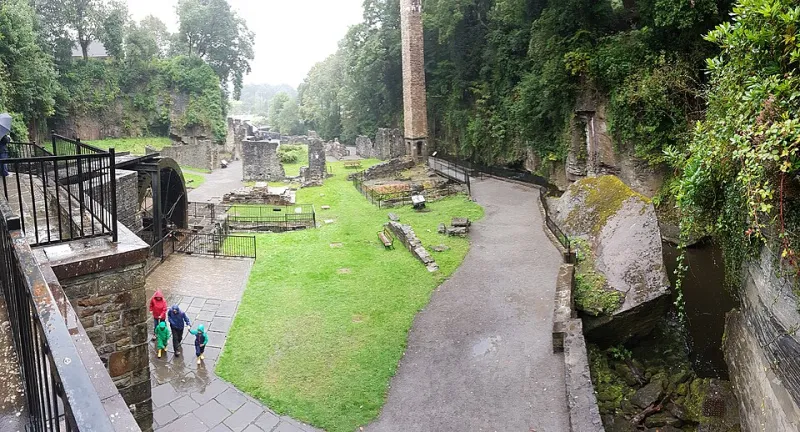
Photo: WelshWookie, CC BY-SA 4.0, via Wikimedia Commons
In UK industrial acquisitions, environmental value and environmental liability rarely sit in the same document. A site can look tidy at completion while carrying permit conditions, drainage defects, contaminated soil or unresolved regulator correspondence that become the buyer's problem on day one. Completion transfers title; it does not reset the regulatory record. For boards, lenders and operating teams, the diligence question is therefore practical: can this site be operated lawfully, and what evidence proves it?
Test the permit architecture before the property brochure
Environmental permits are not always transferable by completion. In England and Wales, an environmental permit transfer requires an application to the regulator; in Scotland and Northern Ireland, separate regimes apply. Confirm which permits, discharge consents, abstraction licences, waste operations and radioactive substances authorisations are needed, and whether the seller has applied for transfer or surrender. Ask for the full permit, variations, monitoring returns, breach notifications and enforcement history. A permit with an open improvement condition or a monitoring exceedance is a forward liability, not a filing issue.
The buyer should also test operator competence. Does the site have the management systems, technically competent person arrangements and financial provision required for the permit to continue? For landfills, waste treatment and other higher-risk activities, financial provision and closure obligations may outlast the transaction by decades. A permit schedule without a named post-completion owner is an incomplete diligence product.
Contaminated land and the planning paper trail
Contaminated land risk often sits between two regimes: Part 2A of the Environmental Protection Act 1990 and the planning system. A Phase 1 desk study is not a substitute for intrusive investigation, and a Phase 2 report is not a substitute for a remediation strategy and verification. Review historical uses, pollution incidents, underground tanks, asbestos-containing materials and imported fill. Check the local authority's contaminated land register and planning files, including remediation conditions and any long-term monitoring obligations.
Pay particular attention to contaminants left in situ under a remediation strategy. If monitoring, gas protection or institutional controls are part of the agreed solution, the buyer needs to know who funds and delivers them after completion. Warranties can price a risk; they do not operate a leachate system or discharge a planning condition.
Drainage, bunding and pollution pathways
Most yard spills reach controlled waters through a drain, not across a field. Obtain a drainage plan and walk the yard in wet weather. Identify surface water outfalls, foul connections, trade effluent discharge points, interceptors, penstocks and SUDS features. Check bunding around tanks and drums, condition of spill kits and capacity of firewater containment. A clean yard can hide a dirty drain.
Trade effluent consents deserve specific attention. Confirm the consent limits, sampling points and water company correspondence. If the site discharges to a watercourse or sewer, an unrecorded connection or failed interceptor can become an immediate breach after completion. The board should ask for outfall monitoring, maintenance records and a clear plan for any unpermitted pathway.
Waste exemptions, stockpiles and stored materials
Waste exemptions are often treated as administrative housekeeping; they are not. Check whether exemptions are registered, current and consistent with the actual volumes and activities on site. Stockpiles of soil, drums, intermediate bulk containers, waste electrical equipment and hazardous materials can represent both waste duty of care failures and fire or pollution risks. Confirm waste classifications, transfer notes, consignment notes and carrier registrations for the sellers' contractors.
A common completion surprise is material that was never intended to leave but has no lawful storage route. If the buyer intends to continue the activity, the permit or exemption position must be clear before signing. If the buyer intends to remove it, the cost and waste route should be priced rather than assumed.
The regulator's file is part of the asset
Use environmental information requests and pre-acquisition meetings to test the regulator's view. Public registers, enforcement notices, cautions, prosecutions, complaints and permit variations all form part of the site's operating history. A lack of formal notice does not mean a lack of concern. Ask for correspondence logs, site inspection notes and any unresolved requests for information.
This is not a search for perfection. It is a search for matters that will require action after completion. An outstanding monitoring exceedance, an unclosed spill response or a disputed drainage connection can be managed if it is known, costed and allocated. It becomes a board problem when it is discovered by the regulator first.
Evidence a board should see before signing
- A permit register showing the current holder, transfer status and named operator after completion.
- Three years of monitoring data, exceedances and regulator correspondence.
- Enforcement, complaint and incident logs, including unresolved matters.
- Phase 1 and Phase 2 reports, remediation strategy and verification evidence.
- A drainage plan, outfall monitoring and trade effluent consent position.
- A waste exemption register and an inventory of stored materials.
- A costed action plan with contractual protection, retention or escrow where needed.
Diligence is not a paper exercise completed for the lender. It is an operational test of whether the site can be run lawfully from the first morning. If the evidence cannot be produced, the board should price the uncertainty and protect the position before completion. The liabilities that survive completion are usually the ones nobody asked to see.